Research
My research explores how machines can participate in creative practices with deep cultural roots. During my PhD, the primary subject of my research is Chinese calligraphy. I approach it on three layers. The first layer concerns the surface of a finished work. Here, I study visual representations and quantitative measures grounded in domain knowledge so that the methods remain explainable. The second layer focuses on the process behind the work, the actions and gestures that shape it during the writing. The third layer turns to the practice itself, asking whether and how a machine can participate as a collaborator. Some of these projects I lead independently; on others, I collaborate with researchers in music, accessibility, and cultural heritage.
Computing the Aesthetics
Can a machine quantify the visual features of a work?
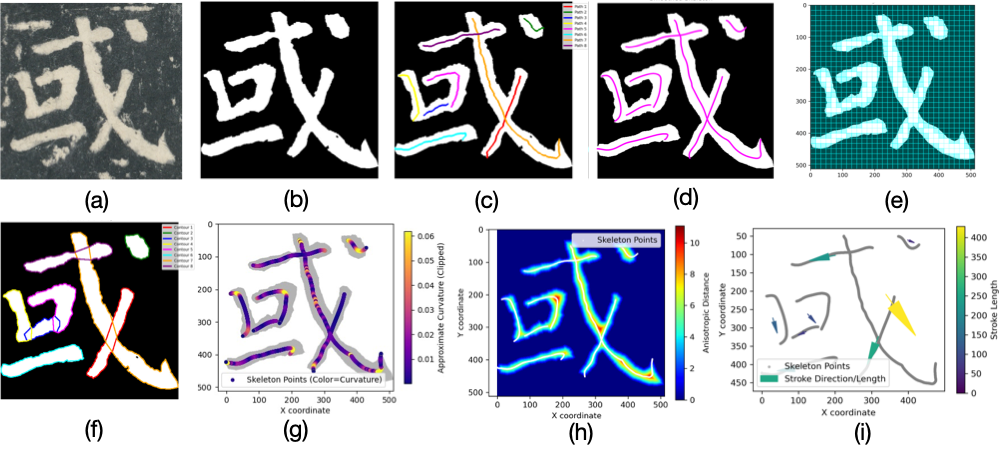
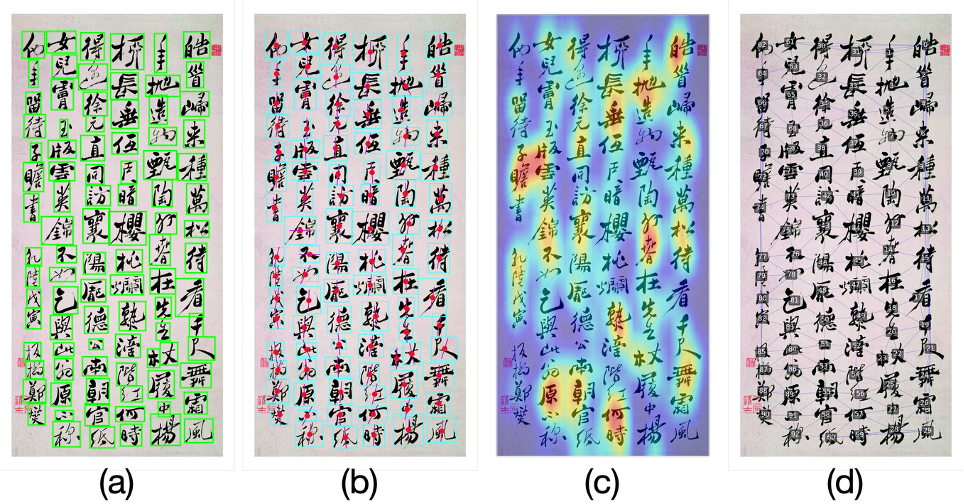
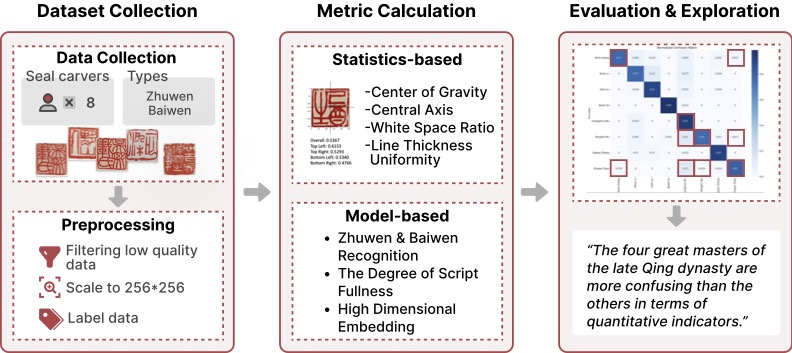
A calligraphy work carries visual structure. Strokes, layout, white space, balance. The structure is rich, yet hard to measure. I study how a machine can quantify it and connect the measurements to the way people respond to the work. One approach extracts stroke and layout features and links them to viewer personality through regression and attribution. Another approach builds a graph over the composition and prompts a language model to render the spatial structure as commentary. A third approach measures structural and statistical features of seal carving to evaluate its aesthetic qualities.
Sensing the Process
Can a machine sense the small moves a body makes while writing?
A calligraphy work is only an end product. The body actions that shaped it never reach the page. The press of the brush. The pause before a stroke. The tilt of the wrist. I study how a machine can sense these actions and bring them into view. One approach is a perceptual lens that returns the actions to the writer as cross-modal cues. Another approach is an interactive system that gathers actions across many bodies and writes them into a shared archive.
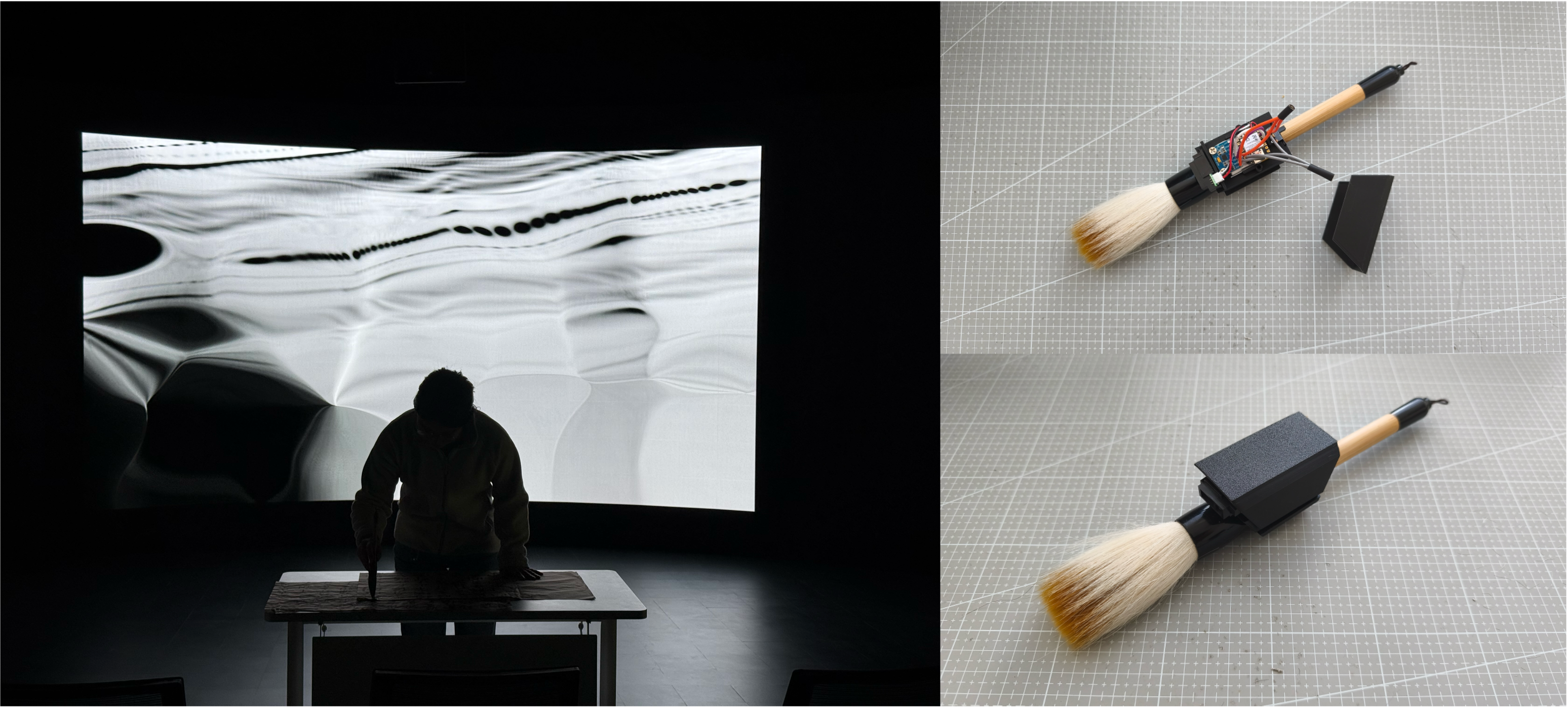
Joining the Practice
Can a machine join a creative practice as a partner rather than a tool?
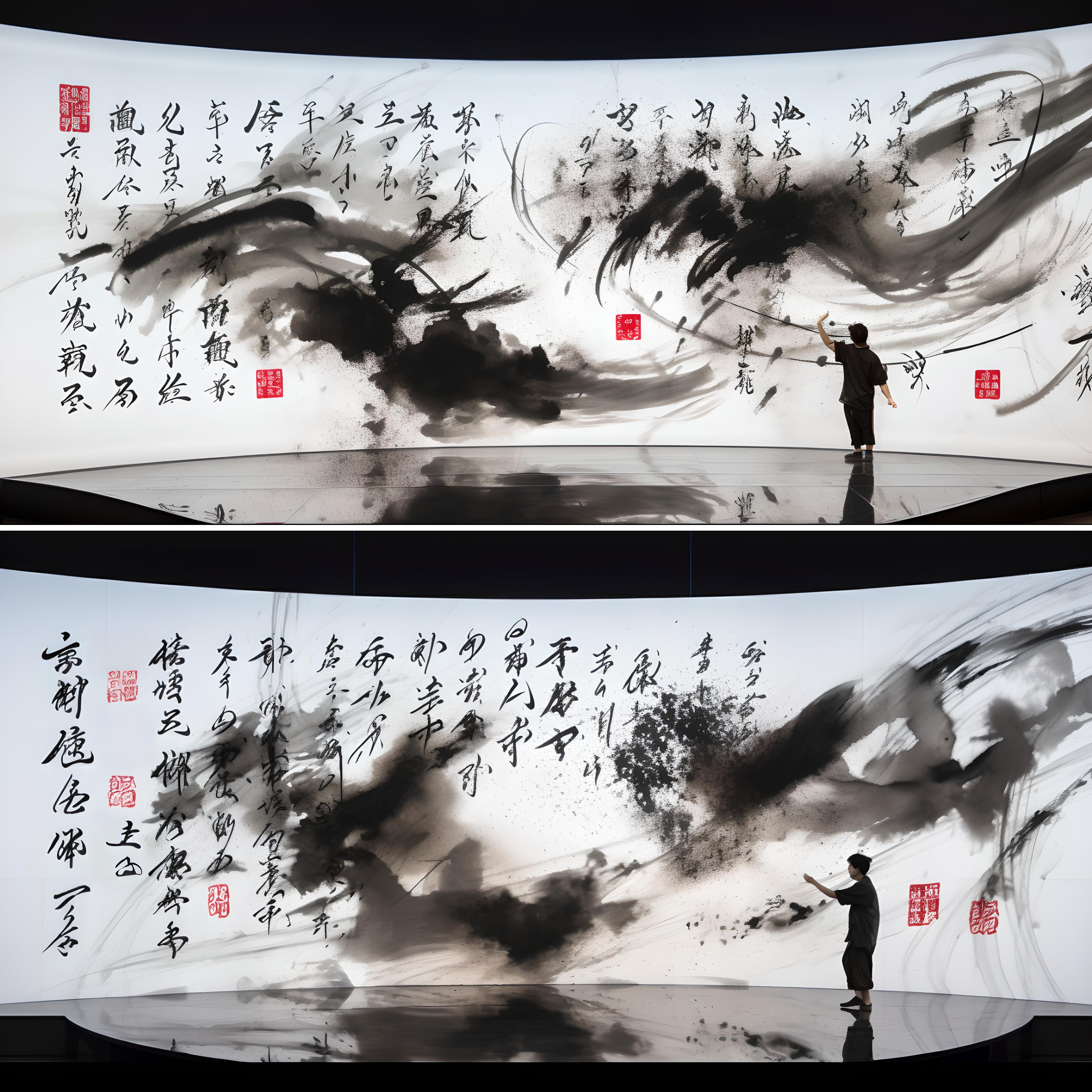
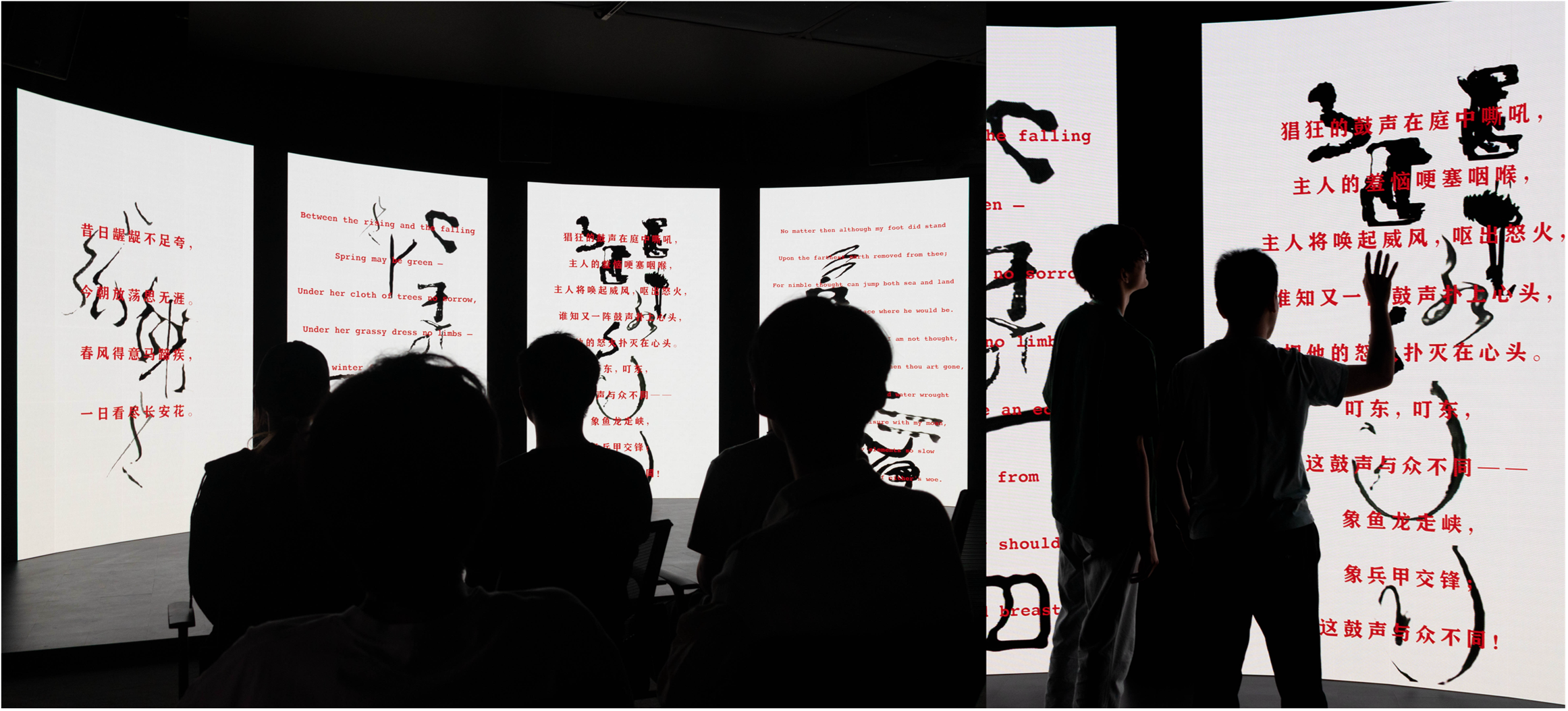
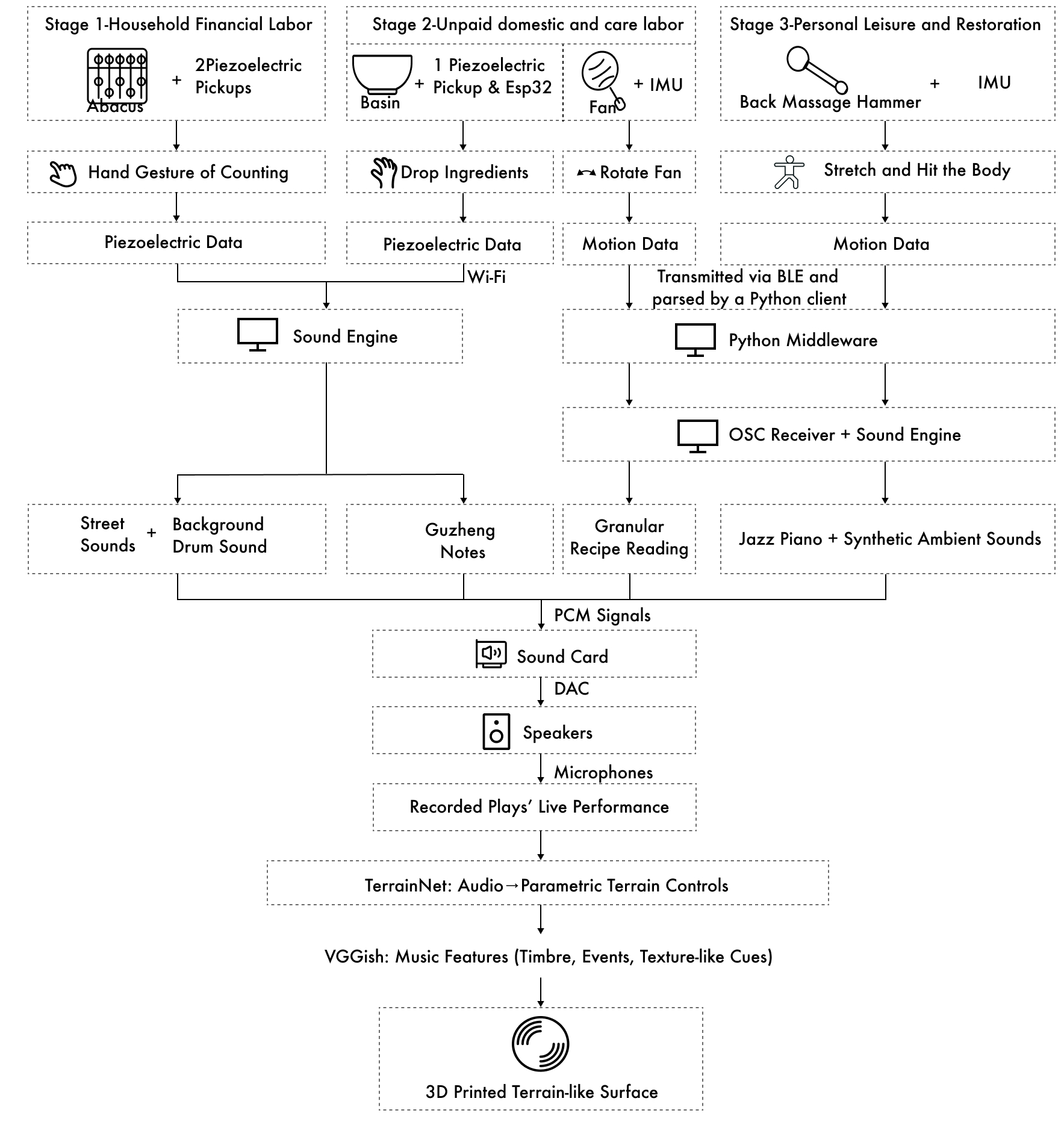
A creative practice carries identity. It carries gender, ability, cultural memory, and personal history. A machine can flatten these things or it can stand alongside them. I study how a machine can join such a practice as a partner rather than a tool, and what design choices keep the maker as the author. One approach analyzes emotion in classical Chinese poetry and generates expressive calligraphic strokes that respond to it. Another approach repurposes the everyday objects of Chinese women as digital musical instruments, then extends each performance into a 3D-printed tactile artifact through human-machine co-creation. A third approach co-designs a tangible beadwork interface with a blind, queer musician and maps tactile gestures to layered sound.
 ISEA 24
Poemotion: Can AI utilize chinese calligraphy to express emotion from poems?
 SIGGRAPH 26
To Perform/ To Live: Decolonizing of Digital Music Instruments and Feminism with Human-AI Co-Created Embodied Experience of Daily Objects
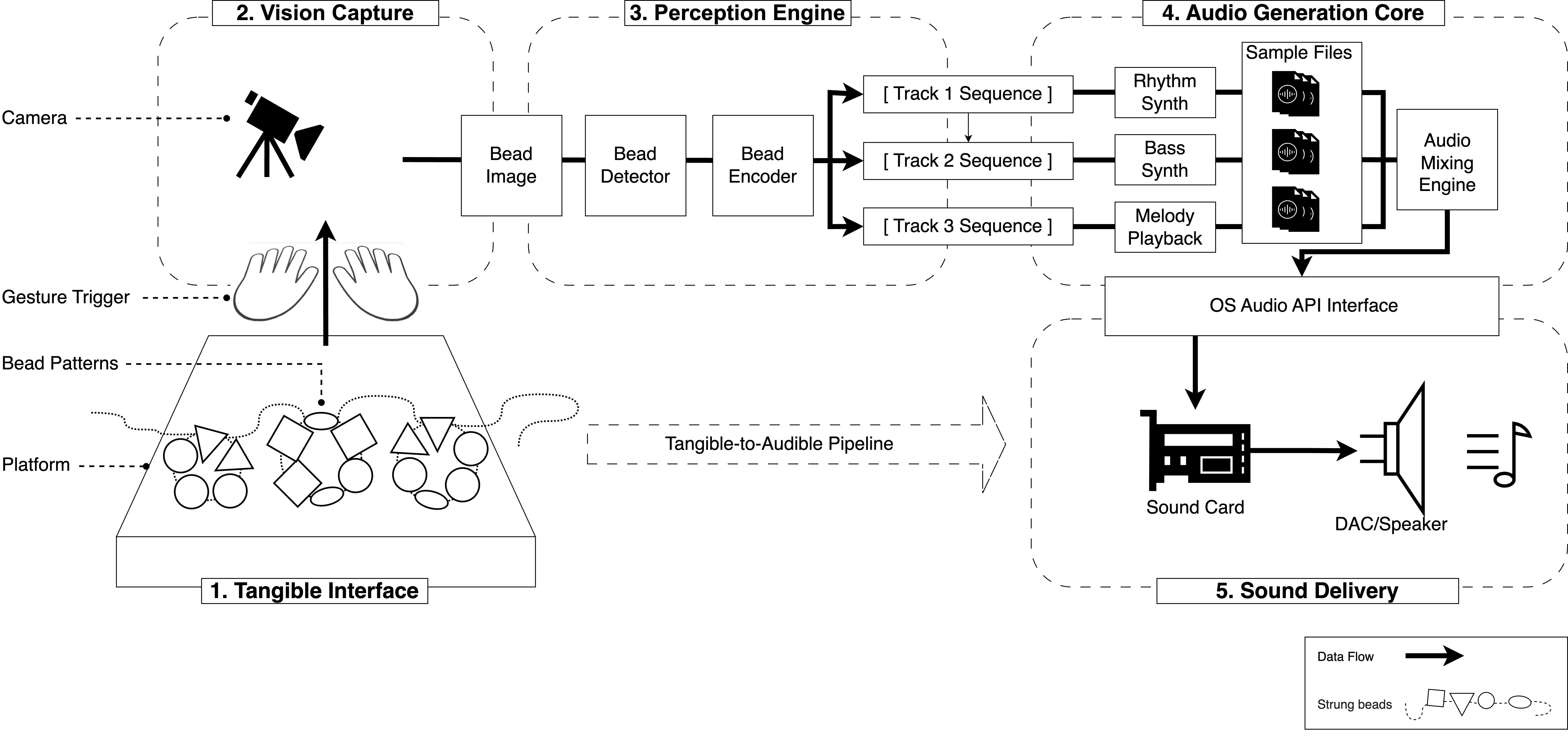 SIGGRAPH Asia 25
Finhertip: Embodied identity and human-AI co-creation in accessible musical performance
Adjacent Work
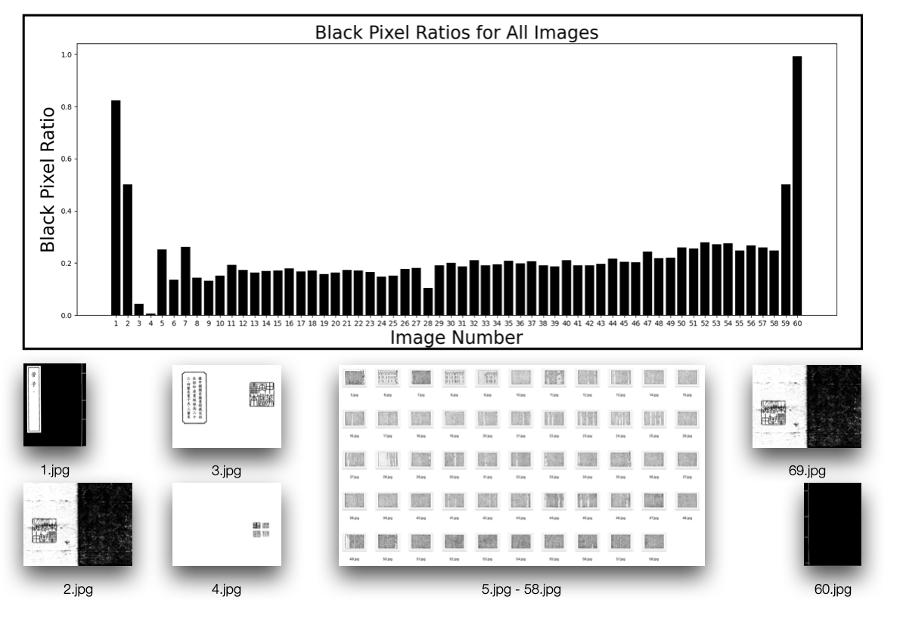
I also contribute to applied work in computational cultural heritage. With colleagues at HKUST Guangzhou, I helped build a deep learning system that identifies the edition, period, and region of premodern Chinese rare books from scanned pages. The same eye for visual structure that serves calligraphy serves other heritage materials.